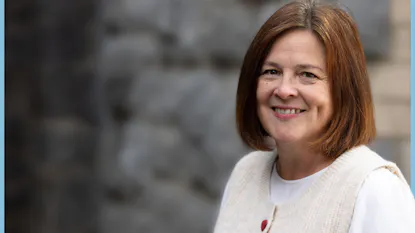
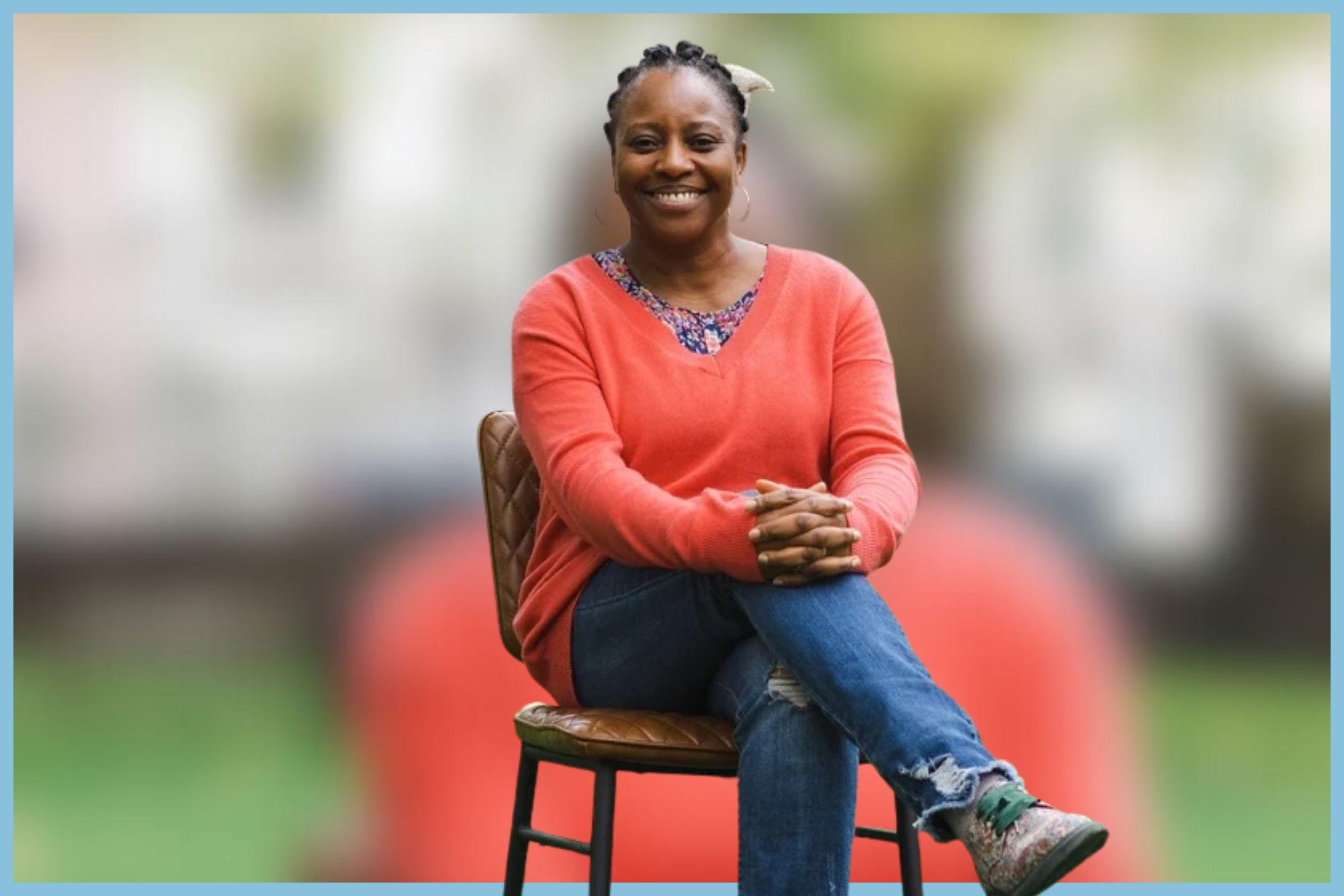
 Photo Source: HTB
When did you study at St Mellitus College? What program were you in?
I joined St Mellitus in 2021, September, I think, for the Peter Stream. That’s a one-year programme to help you discern whether to go on to the ordination track.After the Peter Stream I started the BA in Theology, Ministry and Mission, the three-year course, in 2022. So, in total it’s been four years, all consecutive, full-time.
What do you do now, vocationally?
I’m now entering my second year of curacy with HTB. I’ve been at HTB since 2016, first as a member of the congregation, then on staff, then as an ordinand, and now as a curate. I’m well and truly rooted there and really enjoying it.
Reflecting on your time at St Mellitus, what resonates most with you?
Before St Mellitus, I’d spent most of my life running away from leadership. I’d been a project manager, worked in the civil service, worked in schools, been a teacher, but whenever leadership of people came up, I’d think, No thanks, that’s not for me. So, when I sensed God calling me into ordained ministry, I could hear what God was saying, and I could hear other people affirming it, but it felt strange because I’d avoided leadership for so long. When I joined the Peter Stream, I discovered so many others had similar stories–God was calling them, but they didn’t feel like “natural leaders.” That was hugely encouraging. We were cheering each other on, and it started to feel like maybe leadership isn’t as scary or exclusive as I’d thought. St Mellitus made leadership feel like something ordinary people can be called into, people like me. And it mattered that people looked like me too: women, people my age, people who weren’t all white. In church contexts I’d mostly seen white male vicars, so seeing a wider range of leaders opened my eyes. For me, the most impactful thing was having people around me saying, “You can do this. We see this in you.” That affirmation and encouragement were huge.
How has studying theology shaped how you lead in your current context?
I’ve always loved the Bible. Before studying theology, I’d just read it, believe it and enjoy it, I never really questioned it. Then you come to theology and suddenly you’re questioning everything. Nothing prepared me for that! I had one lecturer in particular who questioned absolutely everything. It was stretching, but in a good way. It made me a deeper, richer human being. Before, if someone asked, “Why?” I could easily say, “Because God says so,” and be content with that. Now I’m not. Now I want to ask, “Why does God say that?” And I’ve learned that God is not afraid of our questions, asking them is part of relationship. Studying theology didn’t destroy my faith; it actually confirmed what I believed. I used to be afraid that if I asked too many questions, I might discover it wasn’t true. But theology doesn’t just hand you one simple answer, it gives you tools to listen to different voices, to see how the Church has wrestled with questions across history, to understand how we got where we are. All of that is incredibly enriching. It helps you relate to other Christians across different traditions in the Church of England and beyond. You can be more confident in what you believe, and at the same time sit with people who follow Jesus in quite different ways. It grows empathy, tolerance, and a sense of spaciousness in your faith.
How did your time at St Mellitus prepare you for ministry?
The best part for me was the formation, both at college and in the parish. At college we’d have lectures in the morning, and then formation groups in the afternoon, about eight or nine of us together. We’d share stories, reflect, pray, and start preaching to one another. By the time you stand up to preach in church, in my case at HTB, where there might be a thousand people in the room, it’s not quite as terrifying, because you’ve practised in a safe, supportive environment. In the parish, the real formation is in journeying with people. People aren’t always happy. They’re going through all sorts of things. Before, I might meet someone going through something difficult, pray with them and then not necessarily see them again. Now, they know I’m getting ordained or that I’m a curate. Their expectations change. They’re going to see me again. There’s more responsibility. That makes you listen differently. You want to remember their names and their stories. You find yourself talking to other leaders about how to support them better, how to work together to care for them. It means more. You’re very aware that how you show up matters, how people feel in your presence, whether they feel seen and heard. Formation helps you keep asking, “What would Christ do here?” It makes you more honest with yourself, more patient, more intentional. And at the same time, you have to keep remembering: I’m still a work in progress. That’s the gift of being in training, you can keep growing, and even now as a curate, I’m still very much in that process.
Can you share a story of how God has been on the move in your life or in your local context?
I used to say, quite flippantly, “People! People are the problem,” in frustration. And my spiritual director challenged me one day and said, “You’re people too.” That really stuck. It made me realise I’m not above anyone, I’m one of them. That shift has changed how I see people, especially those who might be difficult or rude, or who have contributed to their own problems. I’ve found myself with a huge empathy for them. Instead of thinking, “What’s wrong with you?” I find myself asking, “What’s happening underneath that? What’s the sadness behind that anger?” I help lead one of the central connect groups in church. On Tuesday evenings, anyone can walk through the door and keep coming back if they want. We have so many people joining us. Over time, we’ve become like a family. You see people who are wrestling with life, and then suddenly they’re there, washing the dishes after group, and I think, That’s progress. They’re engaging. They’re serving. They’re staying. There’s such good in every person. If they’re choosing to hang around church, whether they’d call themselves Christians yet or not, there’s a reason. There’s a hunger for connection. That group has shown me that everyone, no matter how independent they look on the outside, longs for connection and community. Seeing that and being part of that little Tuesday-night community, has really shown me God is at work in them and in me.