
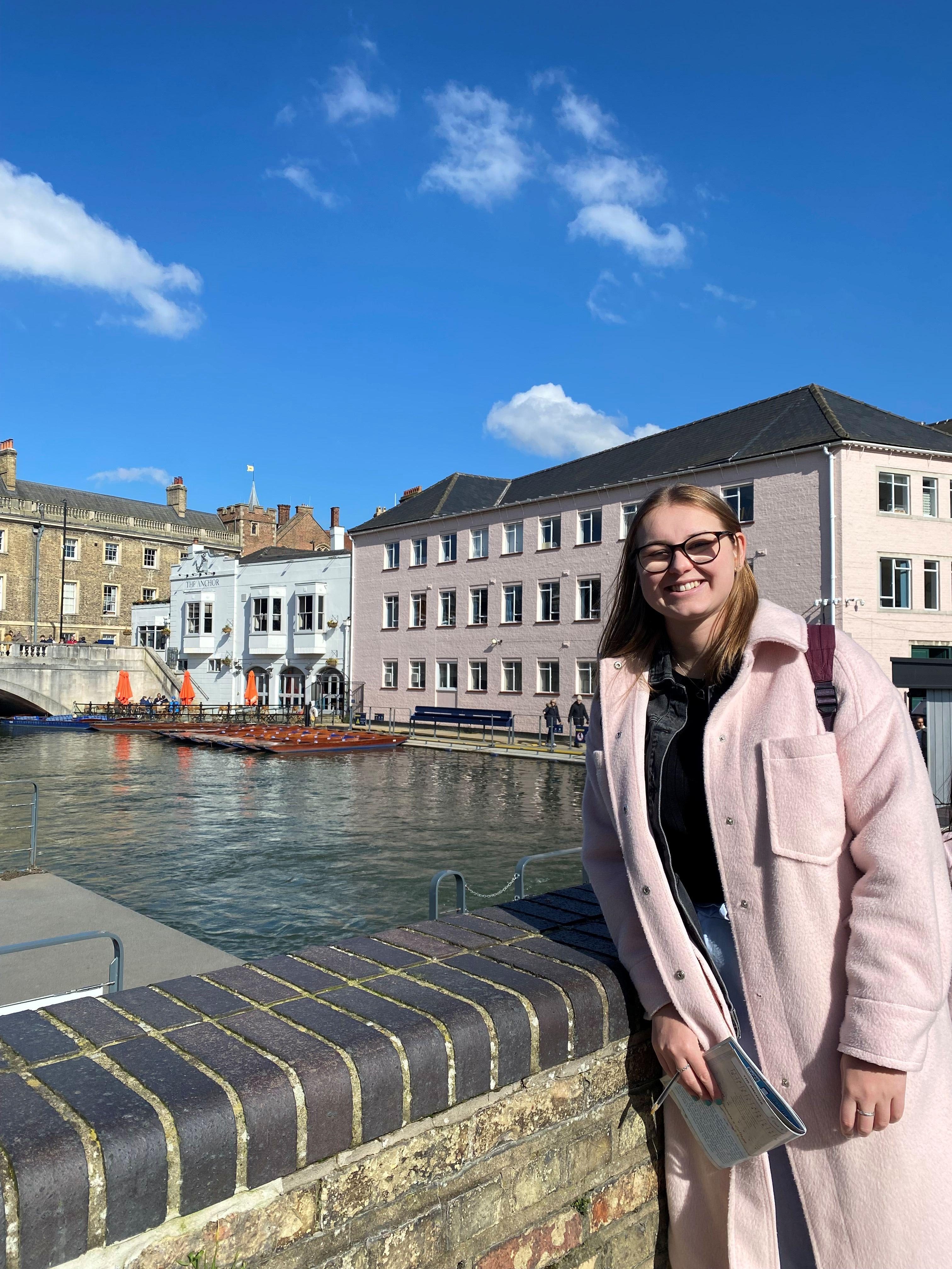
What did you study at St Mellitus, what program were you in, and what route did you follow?
I started at St Mellitus back in September 2020, which feels like a very long time ago now. I spent five years studying there as an independent student—first completing my undergraduate degree, then going straight into the MA, all at the East Midlands Centre. It’s been a brilliant five years.
What are you doing now vocationally?
I’m part of the team at a church in Cheltenham called St Luke’s, an Anglican church where I do a bit of everything. I actually had a job change during my time at St Mellitus. When I started, I was a youth worker at a church in Lincolnshire. Partway through my MA, I relocated across the country. St Mellitus was a really helpful constant through that transition, and I had the opportunity to study theology in two moderately different contexts. At St Luke’s, I do a lot with kids and youth work, oversee our sung worship team, help with preaching and leading, and support pastoral work. I also do some of our media and communications. I get to do a bit of everything, and the joy of that is seeing how theology relates to every part of church life.
Looking back on your time at St Mellitus, what resonated most with you?
Two things really stand out: formation and friendships. The formation was both intellectual and character-based, really working out what it means to lead in a church context. It was my first time studying theology at degree level, and I grew not just in knowledge but in understanding how to live theology out. It shaped how I lead, how I do my job, and how I approach ministry in my local church. The friendships were an absolute delight, especially during my undergrad. The MA cohort was wonderful too, just different. As independent students, we prayed together, encouraged one another, and shared life deeply. The diversity of backgrounds at the East Midlands Centre really challenged and enriched my faith. Seeing people worship in ways so different from mine was so profound; it was beautiful. Those conversations over lunch, hearing each other’s experiences and insights, were a privilege.
How has studying theology shaped the way you lead, teach, or pastor in your current context?
One of the first things I learned at St Mellitus was that theology isn’t just an intellectual pursuit, it shapes every part of life. In my job, theology helps me think through why we do what we do, whether in youth work, children’s ministry, worship, or teaching. It’s helped me form a robust understanding of our practices, articulate the theology behind them, and lead with greater confidence and humility. It’s also stretched my thinking massively. I walked in five years ago feeling fairly confident in my biblical knowledge and faith. But as Jane Williams once said, “You will know less with more certainty,” or something along those lines. Theology taught me humility—to hold some things loosely while being more deeply grounded in the foundations of faith. Another gift has been curiosity—wanting to understand why people think the way they do. In a diverse church, hearing others and creating space for different perspectives has been a real blessing.
Why would you encourage someone to study theology even if they aren’t pursuing traditional church leadership?
All of us have a mission and calling to share the gospel and make Christ known wherever we are. Studying theology equips you to serve others, share your faith, and disciple people, whether in your workplace, community, or friendships. Outside of church leadership, I’m big on sports, and theology has helped me talk about Jesus with my teammates and understand how God relates to the world of sport. There’s also the sheer joy of discovering that God is so much bigger than you realised when you first walked in. Studying in community is encouraging and life-giving. I’ve formed wonderful friendships through St Mellitus. And it gives you the space, time, and guidance to explore the big questions we all have about faith. That’s a real privilege.
We’d love to hear how you’ve been seeing God move—in your life or in the context where you’re serving. Would you share a story?
Sure, I’ll share two. In my local church context, like many churches in the country, we’ve seen what some have called a “quiet revival.” We’ve had an increase in young adults, and one of the real highlights for me has been reading the Bible with them, literally just opening Mark’s Gospel together. They’ve been so committed and enthusiastic. No gimmicks, no games, no food, just Scripture. It’s been such a joy, and my theological training has equipped me to lead that well. More personally, I’ve just returned from a mission trip to Kenya, where I was teaching at a Bible college and preaching in various contexts. One powerful moment was when I preached on reconciliation and God doing a new thing. I had no idea the church had recently experienced a major split and was navigating deep tensions. The message God had given me spoke directly to their situation and led to a time of profound prayer and ministry. I had no idea, but God did. It was such an encouragement.


